























How e& is using HR to bring AI into enterprise operations
For many enterprises, the first real test of AI is not customer-facing products or flashy automation demos. It is the quiet machinery that runs the organisation itself. Human resources, with its mix of routine workflows, compliance needs, and large volumes of structured data, is emerging as one of the earliest areas where companies are pushing…

India bids to attract over $200B in AI infrastructure investment by 2028
India has set out an aggressive push to attract more than $200 billion in artificial-intelligence infrastructure investment over the next two years, as it seeks to position itself as a global hub for AI computing and applications at a time when capacity, capital, and regulation are becoming strategic assets. The plans were outlined on Tuesday…

Metal Gear Solid 4 Remaster Is Leaving Online Multiplayer Behind
Konami is finally bringing 2008 PlayStation 3 exclusive Metal Gear Solid 4: Guns of the Patriots to modern platforms. Unfortunately, it’s not bringing its Metal Gear Online modes along for the ride. Those will remain an artifact of the past. While not mentioned during the reveal during the PlayStation State of Play last year, Konami…
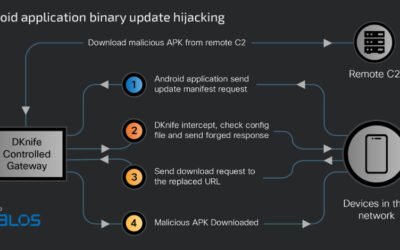
China-Linked DKnife AitM Framework Targets Routers for Traffic Hijacking, Malware Delivery
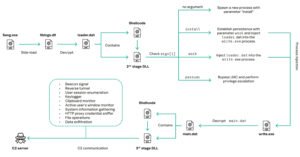
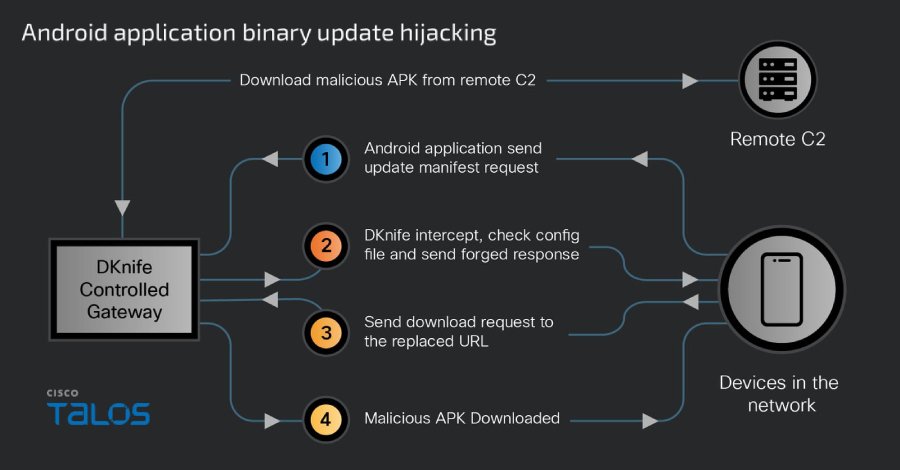
Ravie LakshmananFeb 06, 2026Malware / IoT Security Cybersecurity researchers have taken the wraps off a gateway-monitoring and adversary-in-the-middle (AitM) framework dubbed DKnife that’s operated by China-nexus threat actors since at least 2019. The framework comprises seven Linux-based implants that are designed to perform deep packet inspection, manipulate traffic, and deliver malware via routers and edge…

Barclays bets on AI to cut costs and boost returns
Barclays recorded a 12 % jump in annual profit for 2025, reporting £9.1 billion in earnings before tax, up from £8.1 billion a year earlier. The bank also raised its performance targets out through 2028, aiming for a return on tangible equity (RoTE) of more than 14 %, up from a previous goal of above…

Homeland Security reportedly sent hundreds of subpoenas seeking to unmask anti-ICE accounts
The Department of Homeland Security has been increasing pressure on tech companies to identify the owners of social media accounts that criticize Immigration and Customs Enforcement (ICE), according to The New York Times. This echoes other recent reporting, with Bloomberg pointing to five cases in which Homeland Security sought to identify the owners of anonymous…

Lego Batman Slashes RAM Requirements On PC As Prices Spike
PC gamers were left scratching their heads when Lego Batman: Legacy of the Dark Knight revealed its surprisingly beefy spec requirements last month. The recommended rig to play the open-world action game would need a whopping 32GB of RAM. No longer. The action-adventure’s developers have now slashed that requirement in half as the great AI-fueled…
Codespaces RCE, AsyncRAT C2, BYOVD Abuse, AI Cloud Intrusions & 15+ Stories
Ravie LakshmananFeb 05, 2026Cybersecurity / Hacking News This week didn’t produce one big headline. It produced many small signals — the kind that quietly shape what attacks will look like next. Researchers tracked intrusions that start in ordinary places: developer workflows, remote tools, cloud access, identity paths, and even routine user actions. Nothing looked dramatic…

How insurance leaders use agentic AI to cut operational costs
Agentic AI offers insurance leaders a path to scalable efficiency as the sector confronts a tough digital transformation. Insurers hold deep data reserves and employ a workforce skilled in analytic decision-making. Despite these advantages, the industry has largely failed to advance beyond pilot programmes. Research suggests only seven percent of insurers have scaled these initiatives…

Indian pharmacy chain giant exposed customer data and internal systems
A security lapse by one of India’s largest pharmacy chains allowed outsiders to gain full administrative control of its platform, exposing customer order data and sensitive drug-control functions, TechCrunch has exclusively learned. The issue affected DavaIndia Pharmacy, the pharmacy arm of Zota Healthcare, which operates a large network of retail outlets across India. Security researcher…